Couples Counselling
Is it worth doing?
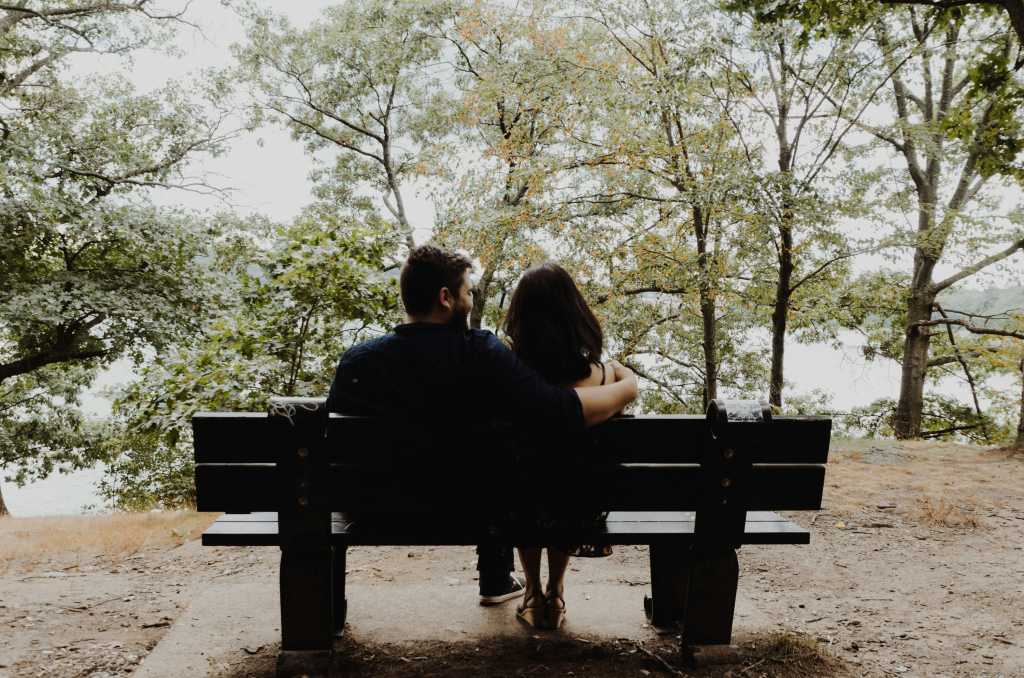
Are you feeling disconnected from your partner?
Is conflict escalating with them?
Feeling unseen and unheard?
Do you need appreciation, understanding, and support from them?
If so, couples/relationships counselling could really benefit you.
With couples counselling, you can –
- Learn to communicate your feelings and needs to get the empathy and support you need from each other.
- Start doing conflict in ways that leave you feeling even more connected, seen an heard.
- Build your sense of self, so you can better narrate your inner world to your partner.
- Rebuild trust in the relationship as you learn to communicate clearly and respond to each other’s bids for connection.
What happens in couples counselling?
During the first session you will get to share your context with me – what brings you to counselling? I will ask you both questions to understand your goals and needs. You’ll tell me what’s most important for you, and we’ll start there. Through following sessions, I’ll use a range of modalities to help you reach your goals. And together we’ll brainstorm strategies to meet your needs. I may give you exercises to practice at home with your partner. And we’ll practice things like communication skills in the actual sessions. All the while we’ll keep track of your progress and make any required adjustments.
What if my partner refuses to attend couples counselling?
There are many reasons your partner may refuse to attend couples counselling with you, and that may feel disappointing. The good news is there are still plenty of ways your relationship can benefit from individual therapy. Nonviolent communication, one of the main communication tools I use in couples therapy, is a tool I also use with individuals. The beauty of of it is – it doesn’t require the other partner to be present. You can learn the skills of both communicating yourself clearly to your partner, as well as hearing them empathically, without them participating in therapy at all!
Can couples counselling fix a relationship?
While I recommend couples attend therapy early in their relationship BEFORE they experience major disconnect, the majority of couples don’t. At the same time, most couples have never been taught how to do conflict well, communicate their needs effectively, and have healthy levels of differentiation in their relationship. And most couples find working on these skills with a trained therapist to be very useful and create lasting change, both in themselves as individuals as well as in the relationship. That being said, counselling can rarely change ingrained patterns of behaviour and power dynamics of an abusive relationship.
Do you provide pre-marital counselling?
Absolutely. Pre-marriage or even pre-engagement counselling can provide a strong foundation and set a precedent for the the rest of your relationship. Through pre-marriage counselling, you can establish healthy patterns of relating to one another that seasoned couples wish they set up at the origin of their relationship.
Do we need a referral to see you? Or a Mental Health Care Plan?
You don’t need a referral to see a Counsellor. Mental Health Care Plans are for Psychologists and Mental Health Social Workers, not Counsellors.
Will my therapist take sides?
If you come to counselling as a couple, I will treat your relationship as my client. All counsellors are trained not to take sides or have bias, and if they’re good at their work, they won’t. But even more than that, the nature of my therapy modality is to not treat anyone as a villain or victim, whether that be the client or anyone they discuss in therapy. You will receive no judgement from me, and neither will your partner.
Do you do Christian couples counselling?
If you’d like, I can provide faith-based counselling, and specifically Christian counselling. The nonviolent principles I use in my sessions align well with most major religions, and that much will not change. But as someone who is faith-based and has grown up in church, I have a unique understanding of a. the importance of faith to a couple, b. common dynamics of faith-based couples (including interfaith relationships), and c. spiritual abuse and misuse of power. Please let me know in our sessions if faith is important to you.



 Counselling Empathy